Země patří Luně
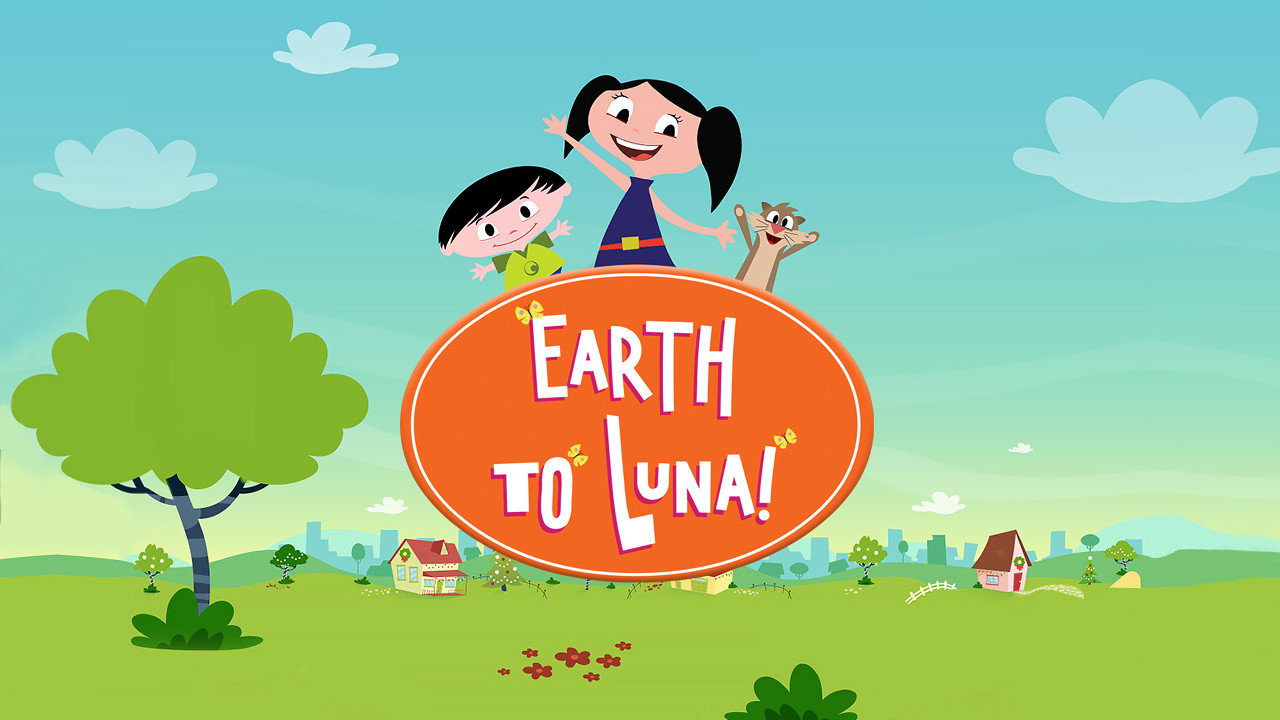
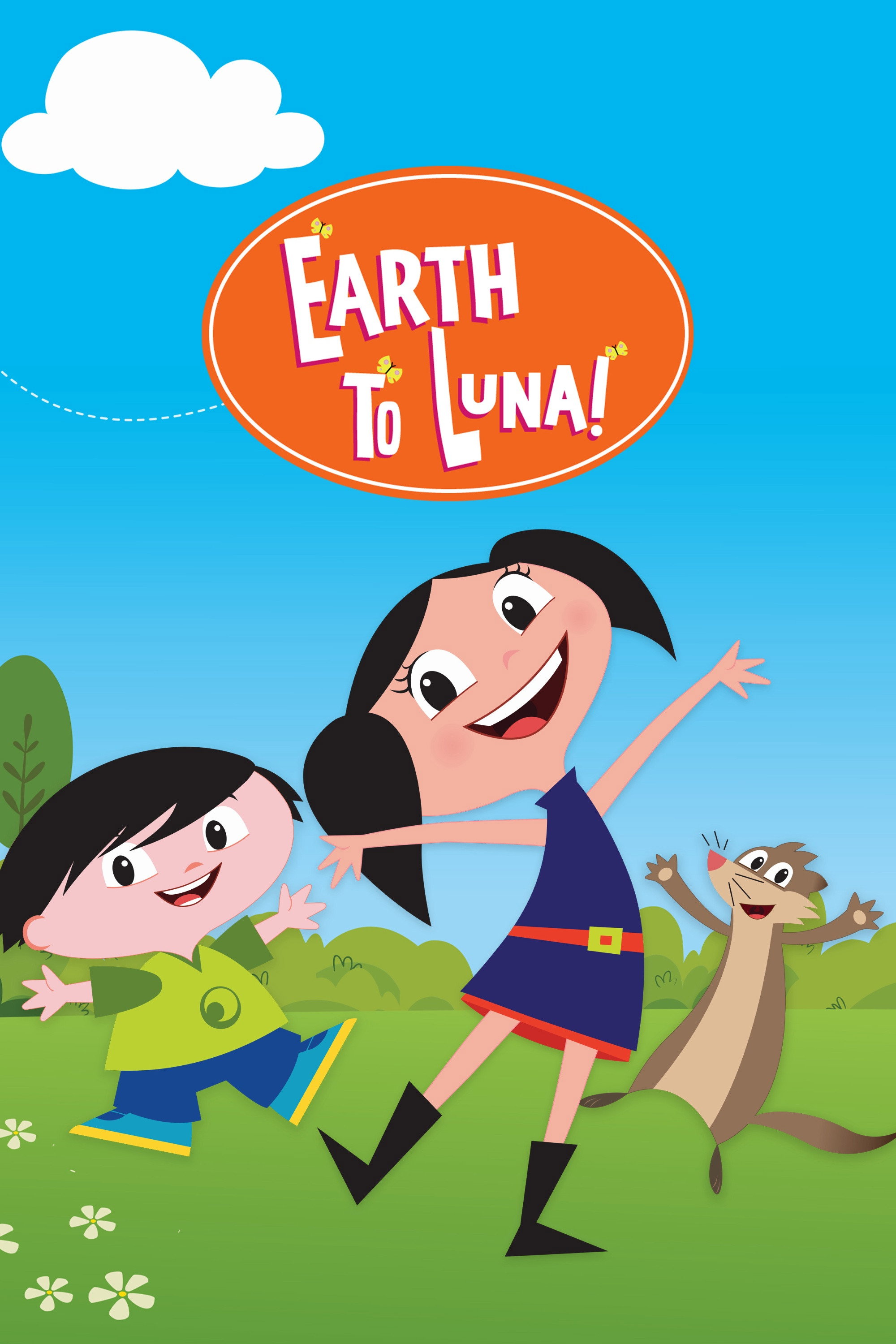
Earth to Luna!
2014–TV-Y3 sezóny79 epizod
Ohodnoť
Nač hledáte odpověď? Luna všechno zjistí hned! Když se holka jmenuje Luna a její bráška Jupiter, znamená to, že jejich rodiče mají rádi vesmír a přírodní vědy vůbec. Luna s Jupiterem ale za mámou ani za tátou pro informace nechodí, na všechno přijdou sami. Jak? Hlavně pomocí Luniny neutuchající fantazie. V jejich pokusech jim navíc pomáhá fretka jménem Clyde. Tato povedená trojice často létá vesmírem, povídá si s mikroorganismy, tančí s rostlinami. A ještě ke všemu si u toho všichni zpívají! Vydejte se na vědecké výpravy plné vtipu a písniček spolu s nimi! (Česká televize)
Epizody
Viděno 0/52
- IMDb9.216. srpna 2014
When she paints a yellow sun on a blue sky, Luna learns how to make the color green.
- 17. srpna 2014
It's an interstellar adventure as Luna and friends find out why stars twinkle.
- 20. srpna 2014
Luna wants to plant a banana tree, but where are a banana's seeds?
- 21. srpna 2014
After discovering Saturn's rings, Luna and the gang wonder if they can walk on them.
- 24. srpna 2014
To learn about that fresh, just-rained smell, Luna, Jupiter and Clyde become radishes.
- 25. srpna 2014
Luna becomes a water drop to learn how water becomes rain.
- 26. srpna 2014
A howling dog and a full moon send Luna and friends to the lunar surface.
- 27. srpna 2014
Foggy mirrors in Luna's house get her thinking about condensation.
- 28. srpna 2014
Clyde's grooming day gets the gang wondering what the world looks like through an animal's eyes.
- 29. srpna 2014
Luna and friends discover that ant colonies rely on strength and teamwork.
- 1. září 2014
Munching on delicious rolls at the bakery, Luna wonders what turns dough into such a fluffy treat.
A dropped ice cream cone and Igor's astronaut sticker album makes the gang wonder about gravity.
The friends become intrigued by lightning bugs.
While playing with a pet snail, Luna wonders what it's like inside her shell.
A sunset inspires the gang to find out where the sun goes at night.
A rainbow inspires the kids to learn more about the "why" behind it.
A lost orange leads Luna and friends to the concept of flotation.
Luna and Jupiter wonder why bubbles are always round.
The gang must become stars in space to learn how to find constellations.
Finding a lost kitten, Luna and Jupiter question why cats have whiskers.
The gang turn into hot air balloons to learn how they stay up in the sky.
Watching fish at the pet shop, the friends want to know why salt water is salty.
Wondering how the moon's "holes" formed, the kids discover craters.
Jupiter and his friends ask how his new pan flute makes noise.
A gecko lizard in the kitchen sparks the question of how it sticks to surfaces.
A snow day encourages the gang to question what snow is.
Luna and Jupiter try to determine how a kernel of corn pops into their favorite treat.
The kids become critters and ask the question: Why do animals have tails?
The gang is surprised to learn that oranges start out as flowers.
After finding webs in the backyard, the friends explore how spiders make them.
Luna teaches her dad's trick for determining the distance of a storm.
The gang witnesses some strange behavior from Dr. Jane's dog, Snowball.
Luna and friends wonder if the sun is a planet, but they think it's not.
When they can't find Clyde, the friends find themselves thinking about camouflage.
Clyde's birthday inspires the gang to figure out how old a tree is.
After learning that chocolate comes from a tree, Luna and friends have to know more.
A gift from China inspires the kids to learn about silk.
The friends turn into toy cars to experience moving across different surfaces.
The gang learns about shadows and makes some fun experiments.
Luna and friends discover what an echo is while walking through a tunnel.
The gang learns about the roly poly bug and why it curls up into a ball.
A neighbor's parrot soon has the gang pretending to be pirates at sea.
A plastic yogurt cup inspires Luna and friends to learn more about recycling.
Galerie7


Plakáty3


Recenze
Recenze
Načítám…
Komentáře
Komentáře
Načítám…
Komentáře k 1. sezóně
Načítám…