
Koloseum
Colosseum
2022–2022TV-141 sezóna8 epizod
Ohodnoť
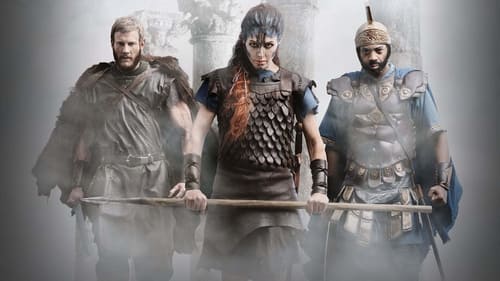
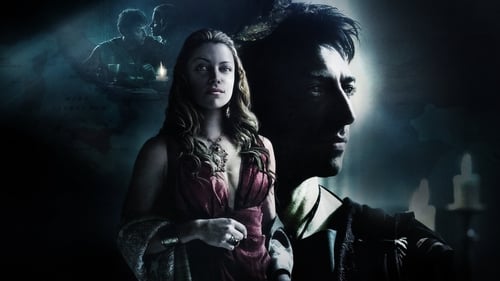
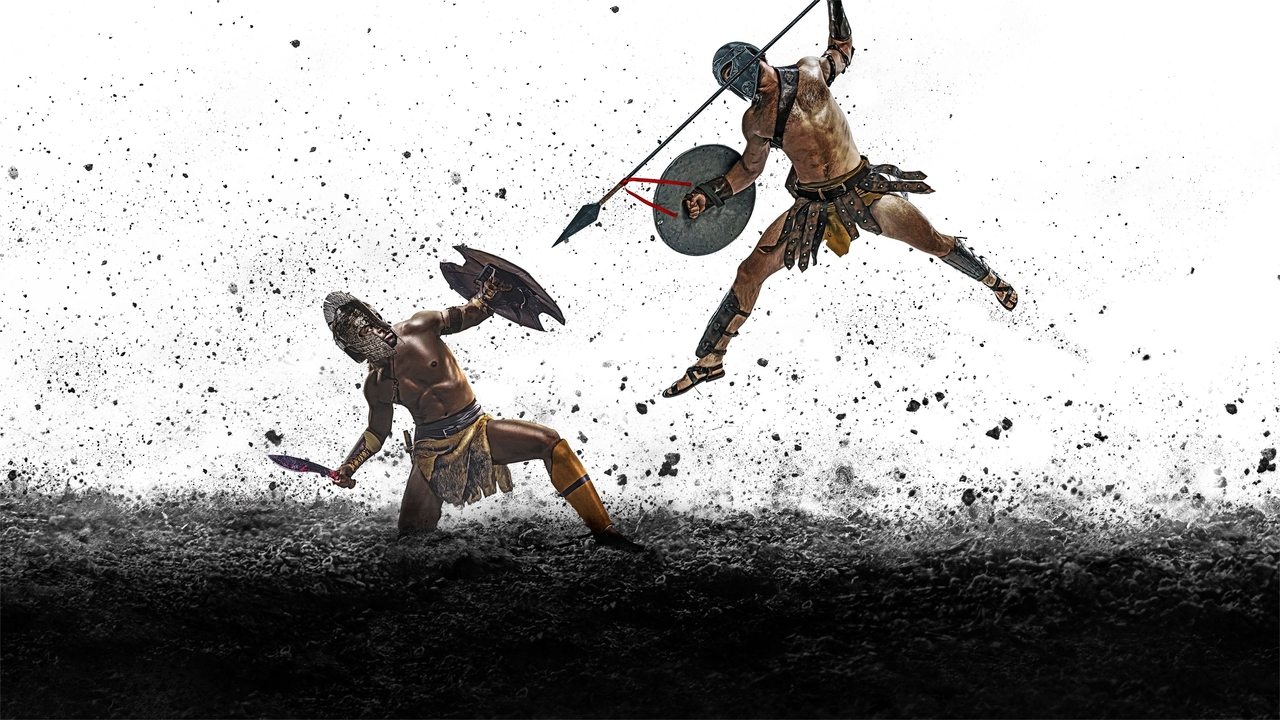
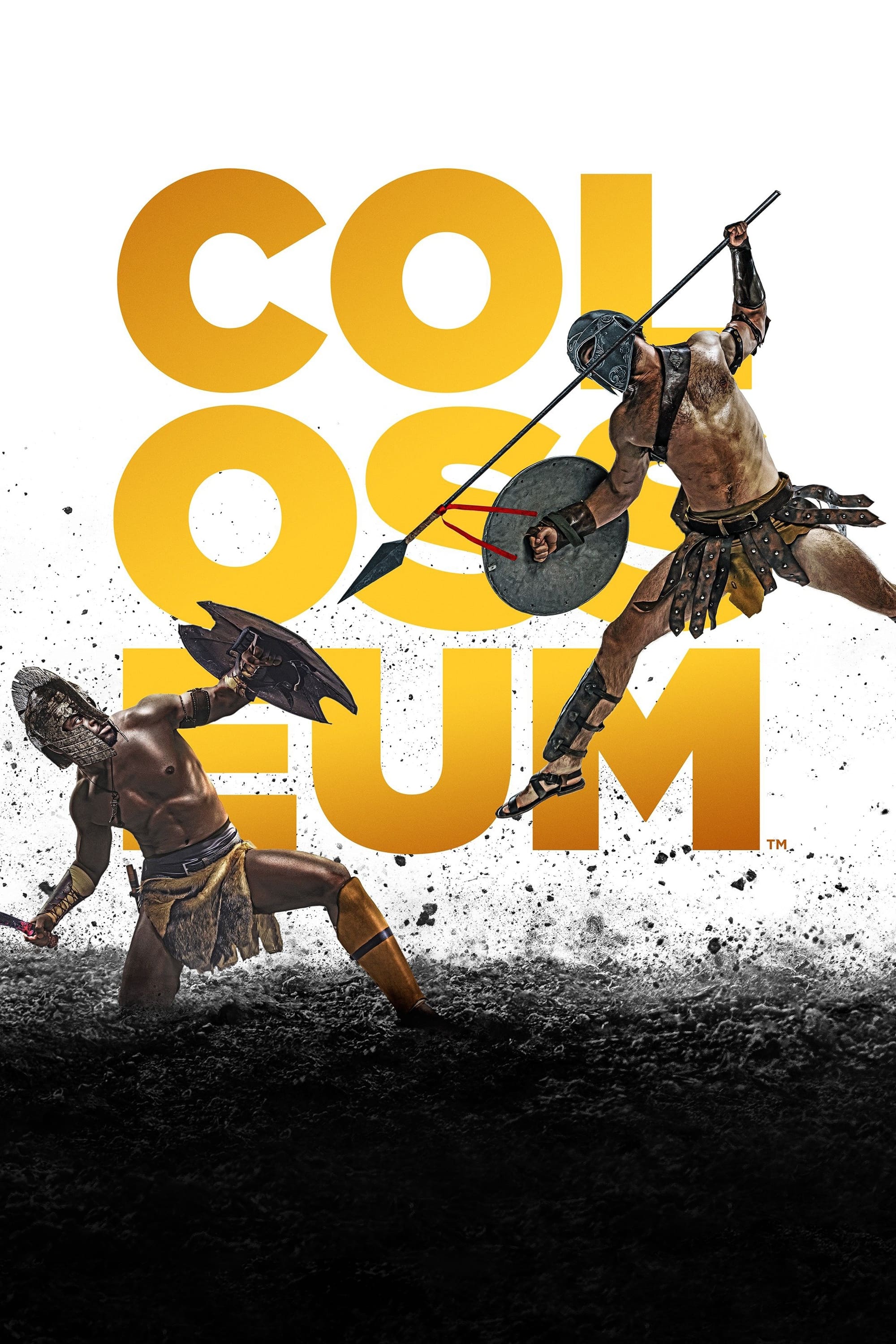
V roce 80 n. l. císař Titus otevírá Koloseum, kde se 100 dní konají velkolepé hry, včetně jednoho z nejslavnějších gladiátorských zápasů v dějinách Říma... Když mistr stavitel Haterius staví Koloseum z popela Neronova Zlatého domu, jeho práce zdaleka nekončí. Nový císař Domicián ho pověří dostavbou složité sítě podzemních tunelů: hypogea... S tím, jak se římská říše stále rozšiřuje, roste i rozmanitost exotických zvířat, která jsou přivážena, aby bavila davy v Koloseu. Dokáže trénovaný mistr šelem Carpophorus přežít, když je postaven před nevídanou výzvu utkat se s 20 divokými tvory? ... Když mocný císař Traján uspořádá v roce 107 n. l. své velké hry, naskytne se davu vzácná podívaná: gladiátorky. Bojovníky jsou obvykle váleční zajatci, ale při jedné hře se do dějin zapíše římská žena jménem Mevia.
Epizody
Viděno 0/8
 01IMDb7.58.044 min17. července 2022
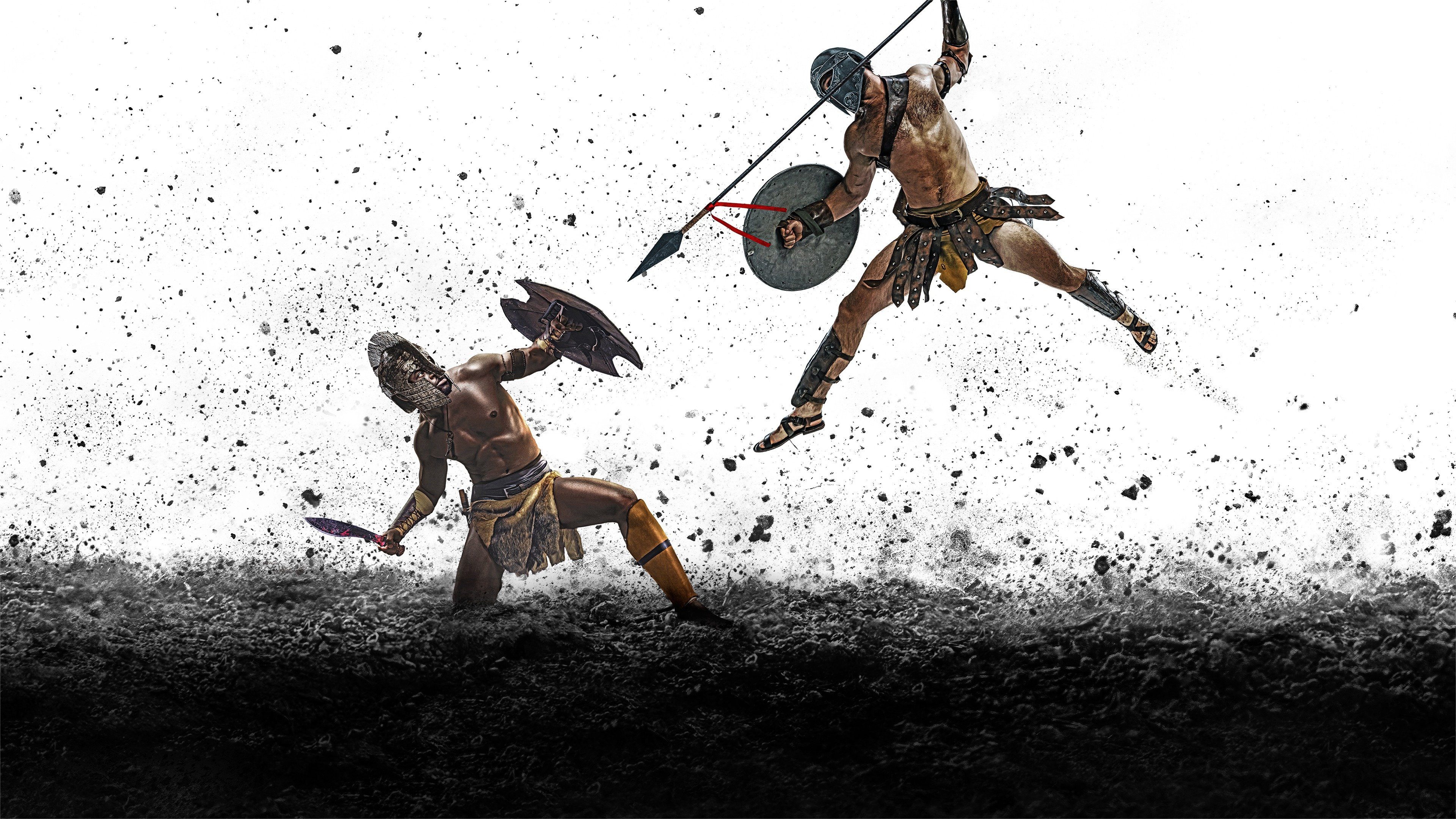
In 80 AD Emperor Titus opens the Colosseum with 100 days of spectacular games, including one of the most famous gladiatorial matches in Rome's history. After forming a close bond in the harsh environment of their training school, two gladiators, the barbarian Priscus, and Rome's champion, Verus, must now fight to the death in front of 50,000 spectators. Their story has come down to us through the Roman poet, Martial.
 02IMDb7.77.042 min24. července 2022
When master builder Haterius constructs the Colosseum from the ashes of Nero's Golden House, his work is far from over. New Emperor Domitian tasks him with adding in a complex network of underground tunnels: the hypogeum. Haterius will have to balance satisfying the insatiable demands of the all-powerful Emperor, with the extreme pressures of creating an ancient architectural marvel in time for Domitian's games. Failure could cost his life.
 03IMDb7.37.042 min31. července 2022
As the Roman Empire continues to expand, so does the diversity of exotic beasts brought back to entertain the Colosseum crowds. Over a million animals are slaughtered on the sands of the arena by trained beast masters, none more famous than Carpophorus. But when met with the unprecedented challenge to battle 20 wild creatures, can Carpophorus survive?
 04IMDb6.77.042 min7. srpna 2022
When the mighty Emperor Trajan throws his great games of 107 AD, the crowd is treated to a rare spectacle: female gladiators. The combatants are typically prisoners of war, but in one game, a Roman woman named Mevia makes history. She decides to trade her status as a free citizen of Rome to fight in the arena as a gladiatrix, a controversial and shocking choice that earns the enmity of Roman historian and satirist, Juvenal. Her choice illustrates the challenges of plebian life for women in ancient Rome.
 05IMDb7.36.042 min14. srpna 2022
The public execution of criminals is a staple in the Colosseum, but during Trajan's 123 days of games in 107 AD, one of these victims is no ordinary prisoner. Bishop Ignatius of Antioch is part of a growing underground religion threatening Roman traditions: Christianity. Will his high-profile execution send a message, or spread the word of Christ further than Trajan could have anticipated?
 06IMDb7.46.042 min21. srpna 2022
One of the most famous doctor/scientists of the ancient world, Galen of Pergamon makes a name for himself as a physician for gladiators in the arena. But just as Rome's Empire reaches the height of its power and influence under Emperor Marcus Aurelius, a devastating plague sweeps through the city--and Galen catches the attention of Emperor Marcus Aurelius. Now it's up to this scientist to defend Rome from disease and keep the Emperor alive at all costs. This episode marks a turning point in the series, as barbarian attacks along Rome's northern borders intensify, beginning the long period of Rome's decline.
 07IMDb7.67.044 min28. srpna 2022
Všichni římští císaři kladli velký důraz na podívanou a hry, ale jen jeden z nich vystoupil z císařské lóže na písek arény: Commodus. Commodus je na hony vzdálený svému otci, velkému císaři Marku Aureliovi, a rychle si získává nepřátele - zejména u jednoho elitního vládnoucího orgánu, senátu. Jak se říše hroutí a Commodova popularita klesá, začíná smrtící hra na kočku a myš, která se soustředí kolem velkého římského amfiteátru.
 08IMDb7.47.044 min4. září 2022
Ve 4. století n. l. je rozdělená Římská říše zmítána ničivými zemětřeseními, požáry, nájezdy barbarů a hlubokými náboženskými rozpory. Řím upadá a Koloseum, kdysi hrdý symbol slávy říše, leží prázdné. Aby obnovil Řím, obrátí se jeden muž, oddaný uctívač starých římských bohů, na arénu. Může tam pořádat komplikované a nákladné hry, které zvrátí úpadek Říma?
Hrají



Trailer
Galerie6



Plakáty2

Recenze
Recenze
Načítám…
Komentáře
Komentáře
Načítám…
Komentáře k 1. sezóně
Načítám…