Epidemie: Černá smrt
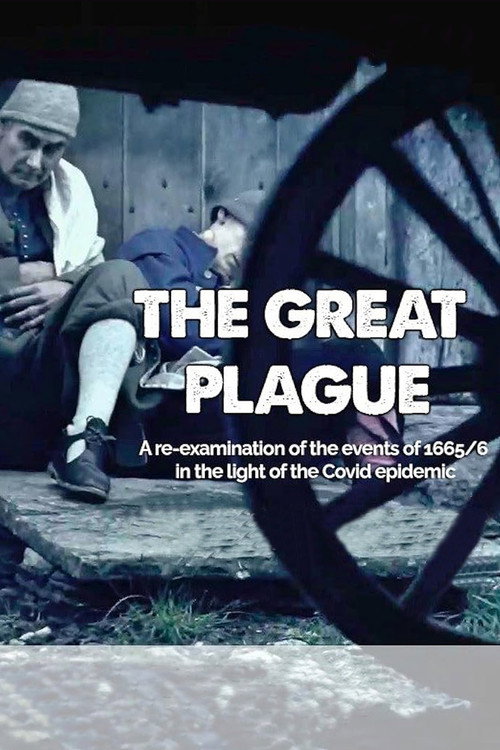
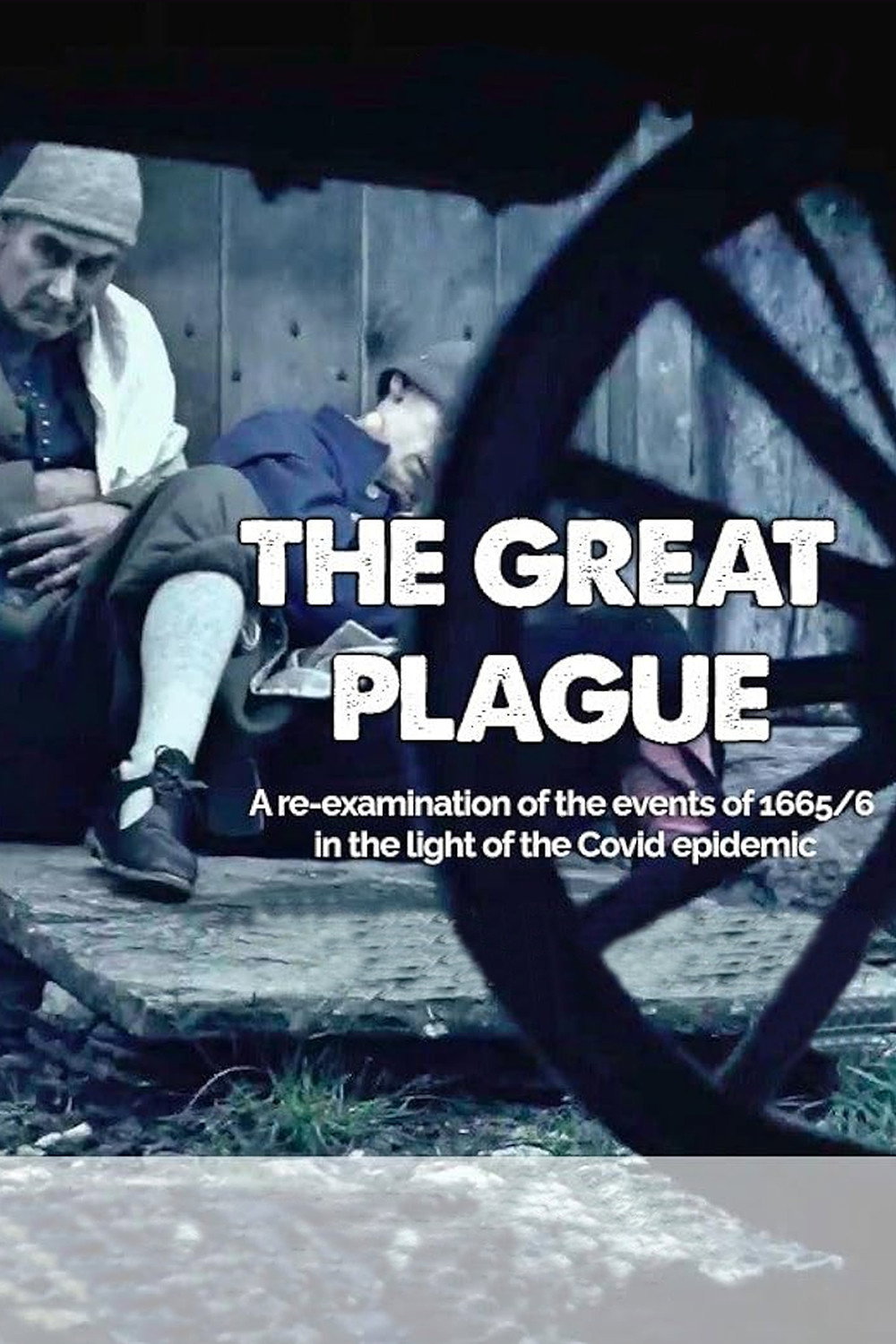
The Great Plague
2020–20201 sezóna3 epizody~45 min / díl
TMDB7.02
ČSFDOhodnoť
355 let před Covid-19 se Británií přehnala jiná pandemie. Černá smrt z roku 1665 zabila v Londýně 100 000 lidí - děsivých 25 % populace - a dalších 100 000 ve zbytku země. Medik Xand van Tulleken, archeoložka Raksha Dave a novinář John Sergeant zjišťují mimořádné paralely mezi těmito dvěma epidemiemi, zjistí něco o společenských rozdílech 17. století, proč má „lockdown" svůj původ v karanténě, a že bílení - oblíbená metoda čištění domů po infekci - mohlo být stejně účinné jako moderní antibakteriální spreje. Odhalí také nové důkazy proti dlouhodobé víře, že za šíření moru byly zodpovědné krysy a jejich blechy, a představí divákům tváří v tvář skutečné viníky.
Epizody
Viděno 0/3
 45 min17. listopadu 2020
In the first episode, the epidemic is traced back to its source in the parish of St Giles in the Fields, now at the heart of London's theatre district. The programme also examines the symptoms of the disease and uncovers new research into the plague bacteria that could overthrow accepted ideas about how the infection was spread.
 45 min18. listopadu 2020
In the second episode, Xand heads to St Barts hospital to look back at historical records which show that nursing staff stayed behind and risked their lives to help the sick. Elsewhere, John investigates why infection rates were so different between the rich and poor, examining clothes typical for each group in the 17th century.
 45 min19. listopadu 2020
Xand van Tulleken visits Samuel Pepys' parish church and discovers the sad tale of the Poole family, who within 11 days lost all five of their children. He also heads to Eyam in Derbyshire, revealing the heroic story of self-sacrifice that saw all 700 villagers lock themselves in to try to stop the disease spreading to surrounding areas. Raksha Dave trials 17th-century disinfection methods and reveals a surprising substitute that can be just effective as modern antibacterial cleaners.
Hrají


Galerie1

Plakáty2

Recenze
Recenze
Načítám…
Komentáře
Komentáře
Načítám…
Komentáře k 1. sezóně
Načítám…
Štáb a názvy
- Režie
- Jamie Simpson
- Produkce
- Jamie Simpson, Amanda Lyon, Melanie Darlaston
- Kamera
- Rob Goldie
- Střih
- Matthew Reinders, Matt White
Alternativní názvy (1)
- Epidemia: Suuri rutto FI